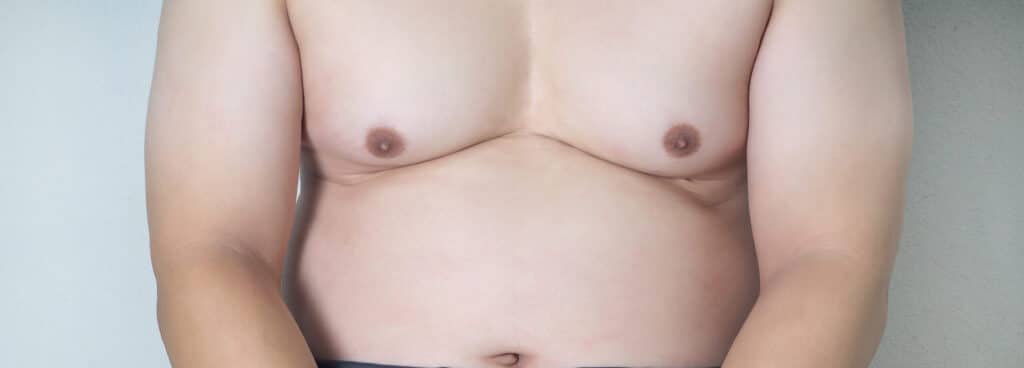
The part most patients worry about is not the surgery itself. It is the first time they stand up afterward, feel tightness across the abdomen, and wonder whether what they are feeling is normal. That is exactly why understanding how tummy tuck recovery works before your procedure can make the whole experience feel more manageable, more predictable, and far less stressful.
A tummy tuck, or abdominoplasty, is designed to remove excess skin, improve abdominal contour, and in many cases repair separated abdominal muscles. The result can be a flatter, firmer midsection, but recovery is not instant. It happens in stages, and each stage has its own limits, milestones, and small wins.
For international patients, recovery planning matters even more. You are not only thinking about healing. You are also thinking about flights, hotel stays, aftercare, and how supported you will feel while away from home. That is why a structured treatment journey with organized transfers, follow-up visits, and coordinator support can make a real difference.
How tummy tuck recovery works in the first 24 hours
Right after surgery, you can expect to feel groggy, tight, and sore rather than sharp, intense pain. Most patients describe the sensation as pressure, pulling, and stiffness in the abdomen. If your muscle repair is part of the procedure, that tight feeling can be more noticeable.
You will usually wear a compression garment to support the area and help manage swelling. In many cases, small drains may be placed temporarily to remove excess fluid. Your care team will explain how these work and when they are typically removed.
Walking starts early, usually with assistance. Not because you will feel ready for a long walk, but because gentle movement supports circulation and reduces certain postoperative risks. You may need to stand slightly bent at first. That can feel strange, but it is often part of protecting the incision line and reducing tension on the abdomen.
The first week: swelling, rest, and careful movement
The first week is usually the most demanding part of tummy tuck recovery. This is when swelling, bruising, drainage, and fatigue are most noticeable. You may feel stronger each day, but energy still comes in short bursts.
This stage is less about doing more and more about doing the right things consistently. You will need rest, light walking, hydration, prescribed medications, and help with everyday tasks. Getting in and out of bed, standing upright, and even laughing can feel surprisingly challenging during the early days.
This is also the point where expectations matter. Recovery is not a straight line. One morning you may feel much better, then feel more swollen by evening. That does not automatically mean something is wrong. Temporary ups and downs are common.
If you are recovering abroad, this is where concierge-style support becomes especially valuable. Having your transport, accommodation, checkups, and communication organized removes a lot of unnecessary strain when you should be focused on healing.
What feels normal during week one
Most patients have swelling, moderate discomfort, a tight abdomen, reduced mobility, and a tired, heavy feeling. Sleeping on your back with your upper body slightly elevated and knees bent is often more comfortable than lying flat.
You may also notice numbness around the lower abdomen. That can last longer than bruising or soreness and is often part of the normal healing process.
What needs closer attention
Your surgeon will explain warning signs specific to your case, but severe asymmetrical swelling, sudden worsening pain, breathing issues, fever, or unusual drainage should always be reported promptly. Good recovery is not about guessing. It is about staying in contact with your medical team and asking early when something feels off.
Weeks two to three: getting more comfortable
This is often the phase where patients start to feel more like themselves. You may be walking more easily, standing straighter, and needing less pain medication. Drains, if used, are often removed during the earlier part of recovery depending on fluid output and surgeon preference.
That said, feeling better can create a new problem: doing too much too soon. The outside may look improved before the inside is fully healed. Internal tissues still need time, especially if muscle repair was performed. Overexertion can increase swelling and slow progress.
Most patients can handle light daily activity during this period, but heavy lifting, strenuous exercise, and core work are still off the table. Even housework can be more demanding than expected. Recovery is not only about pain level. It is also about protecting your final result.
How tummy tuck recovery works after the first month
Around the one-month mark, many patients notice a major shift. The abdomen often looks smoother in clothing, movement feels easier, and daily life becomes more normal. Swelling is still present, though usually less dramatic than in the beginning.
This is where patience becomes important again. A tummy tuck can deliver a striking improvement, but the final look does not appear at four weeks. The body is still settling. Residual swelling, firmness, and mild unevenness can continue for weeks or months before the area softens and refines.
Scar healing also evolves during this stage. Early scars may look pink, raised, or more obvious than expected. That does not mean they will stay that way. Scar maturation is gradual and depends on your skin, surgical technique, aftercare, and time.
When can you return to work and travel?
It depends on the type of work you do and how your recovery is progressing. Patients with desk-based jobs may return sooner than those with physically demanding roles. Travel plans should always be built around your surgeon’s instructions, especially after major body contouring surgery.
For medical tourists, timing matters. Flying home too early can add stress and discomfort to an already vulnerable stage of healing. A coordinated package that includes proper post-op follow-up before departure gives patients more confidence and a safer rhythm to the journey.
Factors that change recovery time
No two tummy tuck recoveries are exactly the same. A mini tummy tuck is generally easier to recover from than a full abdominoplasty with extensive muscle repair. A tummy tuck combined with liposuction can also change the intensity of swelling and soreness.
Your baseline health matters too. Smoking, poor nutrition, unmanaged medical conditions, and returning to activity too quickly can all affect healing. Even practical details, like whether you have support during the first few days, can influence how smooth recovery feels.
This is why honest consultation matters. A good surgical plan is not only about what happens in the operating room. It is also about whether your aftercare timeline, accommodations, and support system fit the procedure you are choosing.
What helps recovery go more smoothly
The best recoveries usually have one thing in common: patients do not improvise. They follow the instructions they were given, attend follow-up visits, wear their compression garment as directed, walk gently, and avoid pushing for a faster timeline than their body can handle.
Good hydration, protein-rich meals, rest, and consistent communication with your provider all help. So does preparing your recovery space in advance. When your essentials are easy to reach and your schedule is cleared, healing feels less chaotic.
At CatchLife Aesthetic, this kind of organized experience is a major part of the appeal for international patients. When transfers, accommodation, hospital coordination, and follow-up support are already arranged, you have more room to focus on recovery and less reason to feel overwhelmed.
The emotional side of recovery
There is also a part of recovery that patients do not always expect. You may feel excited one day and impatient the next. Early swelling can hide your result, limited mobility can be frustrating, and your body may not immediately match the picture you had in mind.
That emotional swing is common. Cosmetic surgery recovery is physical, but it is also personal. You chose this procedure for a reason, and it is normal to want to see the payoff quickly. The truth is that confidence often returns in layers, just like healing does.
If you give your body time, protect your result, and stay connected to your care team, the process starts to make more sense. Recovery stops feeling like a setback and starts feeling like part of the transformation.
A tummy tuck is not only about the day of surgery. It is about giving your body the weeks it needs to heal well, so the result you worked for has the best chance to shine.