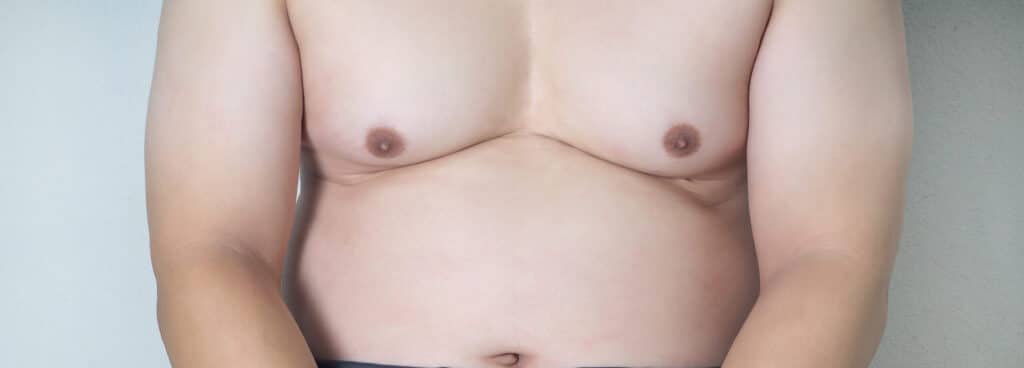
A tummy tuck quote of $18,000 in the US versus a package price in Turkey that feels dramatically lower can make anyone stop and ask the same thing: why is plastic surgery in Turkey cheap? It is a fair question, and the answer is not simply “because quality is lower.” In many cases, the lower price comes from how the healthcare system, labor market, currency, and medical tourism model work together.
For international patients, the real issue is not just price. It is value. You want to know what you are paying for, what is included, what standards to expect, and where low cost ends and risk begins. That is where a closer look matters.
Why is plastic surgery in Turkey cheap compared to the US?
Turkey has built a strong medical tourism industry around elective procedures. Plastic surgery is one of its most visible sectors, and pricing reflects that scale. Clinics, hospitals, surgeons, hotels, drivers, and patient coordinators often work in a connected system designed for overseas patients. That creates efficiencies that private practices in the US usually do not have.
The first reason is lower operating costs. Rent, staffing, utilities, and administrative expenses are generally lower in Turkey than in major US cities. A clinic in Istanbul, Antalya, or Izmir does not carry the same overhead as a luxury surgical practice in Los Angeles, Miami, or New York. When fixed costs are lower, procedure prices can be lower without automatically reducing standards.
The second reason is exchange rates. For patients paying in dollars, pounds, or euros, Turkey can appear especially affordable because of the difference in currency value. That does not mean surgeons are working for less in a local context. It means international patients often benefit from stronger purchasing power.
The third reason is volume. Turkey treats a very high number of cosmetic surgery patients every year, including many traveling from abroad. High-volume providers can often streamline consultations, scheduling, hospital partnerships, and aftercare. That efficiency helps keep package pricing competitive.
The package model changes the math
One reason prices in Turkey feel surprisingly low is that patients are not always comparing the same thing. In the US, you may receive separate bills for the surgeon, anesthesia, facility fee, pre-op tests, compression garments, medications, hotel, and transportation. In Turkey, these are often grouped into one package.
That does not mean everything is free or magically discounted. It means the process is organized differently. A package may include your surgery, hospital stay, hotel accommodation, airport pickup, local transfers, translator support, and follow-up visits. When care is coordinated this way, providers can negotiate rates across the whole patient journey.
For many patients, this is where affordability becomes convenience. Instead of planning every detail yourself, you get a structured path from arrival to discharge. Companies such as CatchLife Aesthetic are built around this model, which is why overseas treatment can feel more manageable than expected.
Lower cost does not always mean lower quality
This is the part many patients get wrong in both directions. Some assume cheap means unsafe. Others assume every clinic in Turkey offers the same standard because the country is known for medical tourism. Neither is true.
Turkey has highly experienced plastic surgeons, modern private hospitals, and internationally oriented care teams. Many surgeons perform popular procedures like rhinoplasty, liposuction, mommy makeover, breast augmentation, and facelift surgery regularly. Repetition builds experience, especially in high-demand surgeries.
At the same time, price alone is never proof of quality. A low quote can reflect efficient operations, or it can reflect corners being cut. The difference is in the details – surgeon credentials, hospital standards, anesthesia safety, infection control, communication, revision policy, and aftercare planning.
A well-priced surgery should feel organized, not vague. If a provider cannot clearly explain who performs the surgery, where it takes place, what is included, and how follow-up works, the low number loses its appeal quickly.
Why surgeon fees can be lower in Turkey
Surgeon compensation is shaped by local market economics, not just skill level. In the US, malpractice insurance, administrative staffing, office overhead, and private practice marketing can significantly raise the cost of a procedure. Patients often pay for the full business structure around the surgeon, not just the operation itself.
In Turkey, those surrounding costs may be lower. Surgeons may also work within systems that deliver a steady flow of international patients, reducing the need for expensive patient acquisition on an individual practice level. In practical terms, a surgeon can earn well while still offering prices that look much lower than US rates.
There is also more competition in some treatment categories. When many providers offer similar procedures to a global audience, pricing stays sharp. That is especially true in cities known for aesthetic care.
Why is plastic surgery in Turkey cheap for popular procedures?
Certain procedures are priced especially competitively because they are performed so often. Rhinoplasty, breast procedures, body contouring, hair transplants, and dental work are major medical travel categories in Turkey. High demand supports specialized teams, optimized operating schedules, and repeatable patient pathways.
For example, when a clinic handles cosmetic surgeries every week at scale, it can refine everything from consultation flow to recovery planning. That efficiency matters. It saves time, reduces waste, and helps providers build package pricing that stays attractive to international patients.
Still, popular does not mean identical. A primary rhinoplasty and a revision rhinoplasty should not be priced or evaluated in the same way. A straightforward breast augmentation is not the same case as combined lift and implant surgery. If a quote feels too standardized for a complex case, ask more questions.
What patients should watch out for
The strongest reason to look beyond price is simple: cosmetic surgery is still surgery. Travel does not remove the need for careful decision-making.
The first thing to watch is unrealistically low pricing. If one quote is dramatically below the rest, there may be a reason. Sometimes the hospital is not included. Sometimes aftercare is minimal. Sometimes the surgeon you expect is not the surgeon operating. A very cheap offer can end up costing more if revisions or complications follow.
The second is rushed communication. A trustworthy provider should answer clearly, request medical history, discuss candidacy, and explain limitations. If every question gets a sales-style answer but no real medical detail, take a step back.
The third is weak aftercare planning. You need to know how many nights you stay, when your dressings are checked, what support is available after discharge, and what happens if you need guidance once you return home. Good providers understand that reassurance is part of quality.
How to judge value, not just price
If you are comparing options, focus on what makes the journey safe, organized, and worth the investment. Start with the surgeon’s background and the hospital setting. Then look at the full package, not the headline number.
Ask who will perform the procedure, whether anesthesia is handled by qualified professionals, how many follow-up visits are included, and what recovery support looks like. Ask for a realistic timeline for staying in Turkey. Ask what is not included as well as what is. Good coordination should reduce stress, not create surprises.
It also helps to be honest about your priorities. Some patients want the lowest possible price. Others want a more premium recovery experience with a private room, upgraded hotel, or extended stay. Turkey can accommodate both, but the right choice depends on the level of support you expect.
The real reason Turkey stands out
Turkey is not cheap only because labor costs less. It stands out because the country has turned elective treatment into a structured travel-and-care experience. That combination matters. You are not just buying an operation. You are often buying surgery, hospitality, transport, planning, and patient support in one coordinated journey.
For many international patients, that is the real advantage. The cost savings are meaningful, but so is the feeling that someone is organizing the moving parts for you. When quality meets affordability and logistics are handled well, the process feels less overwhelming and more achievable.
If you are considering treatment abroad, ask the smart questions, compare complete packages, and choose the team that gives you confidence rather than just a low number. The best price is the one that still leaves room for safety, comfort, and results you can feel good about long after the flight home.